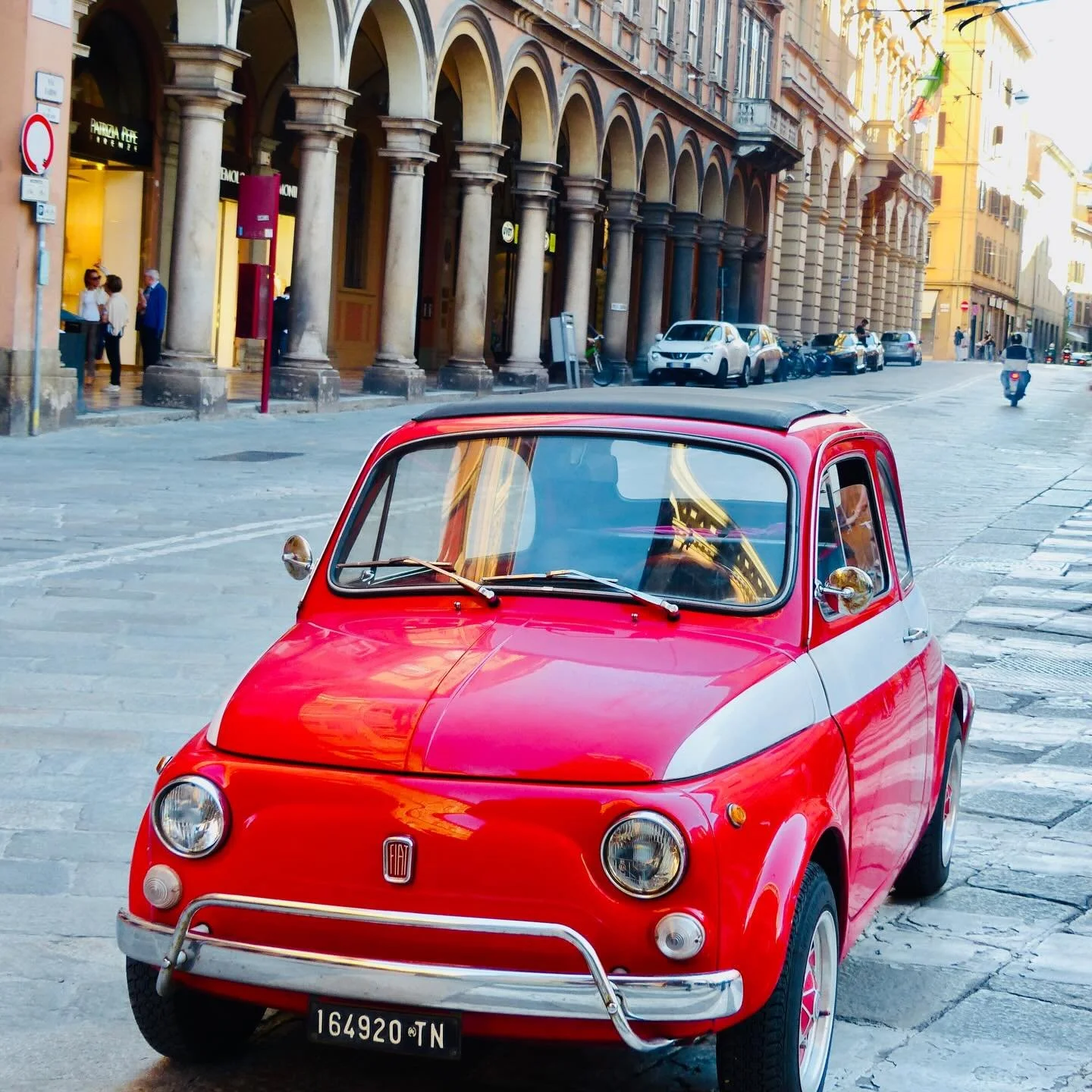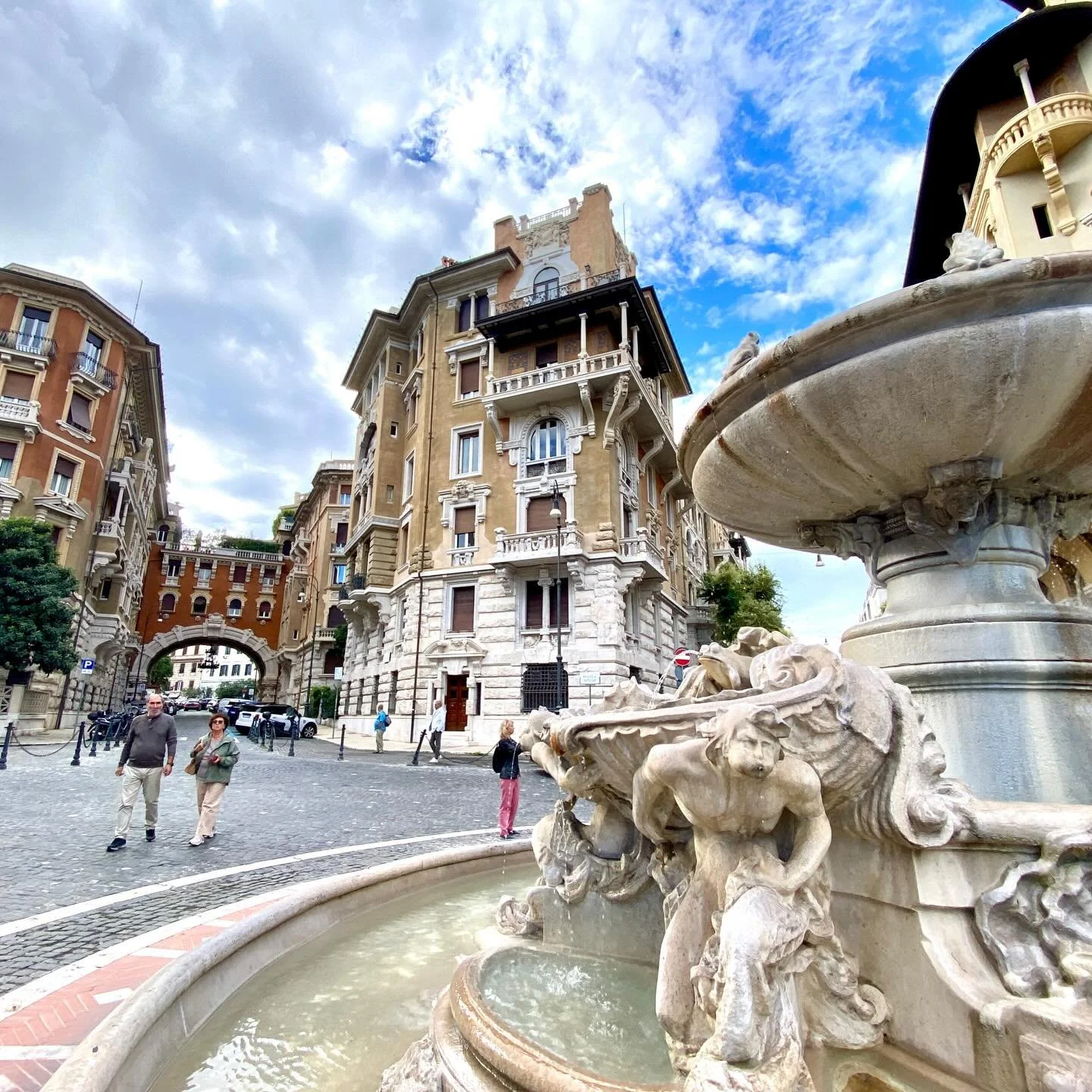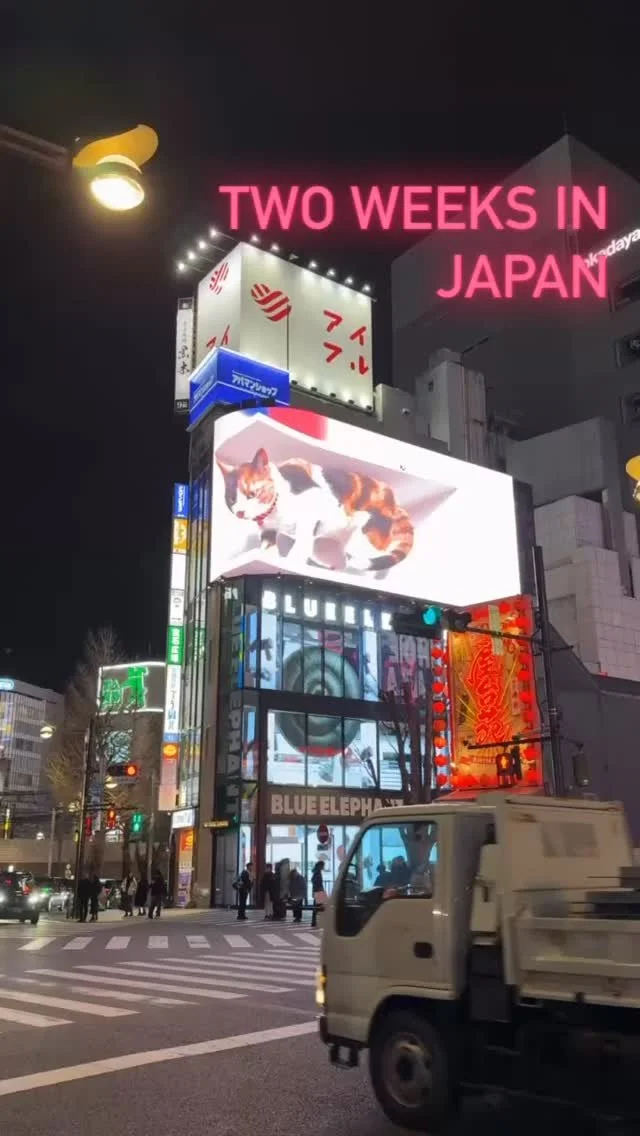

What must Japanese Travelers Think of Italy?
/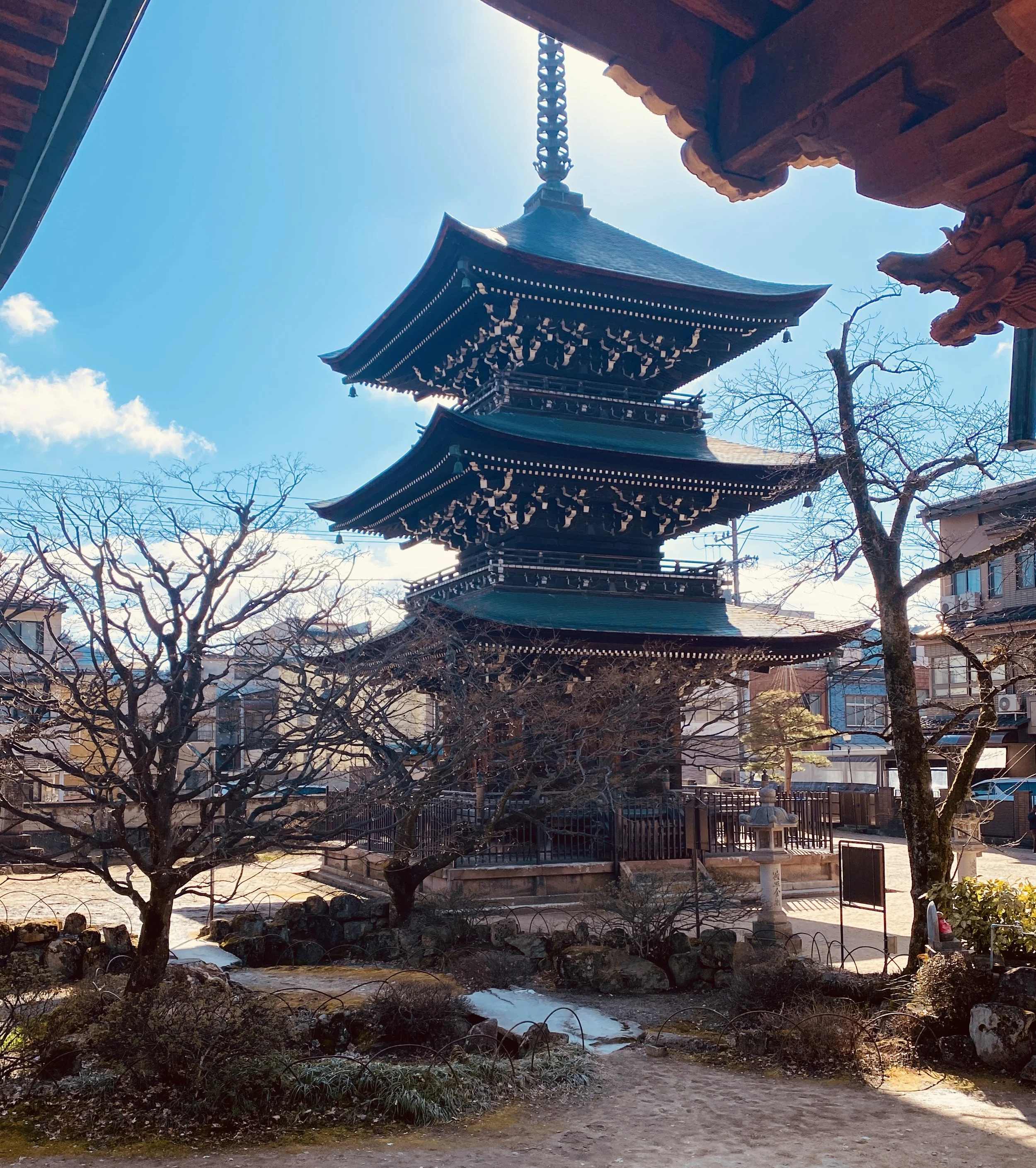
I return home from Japan filled with sensations. So many that as I move through the world, I feel like I’m trailing the scent of yuzu and the colors of Kanazawa’s Kutani ceramics behind me.
One thought I can pluck from the tempest is this: how do Japanese people experience the rest of the world?
If my introduction to the land of the rising sun spurred this much disorientation, how do people who grow up with rice in 50,000 forms—from sake to seaweed-wrapped rice balls to chewy sweets drizzled with sweetened miso—see other countries?
To be honest, I find myself particularly wondering about Italy. Perhaps because it’s the place where I’ve spent the most time as an outsider.
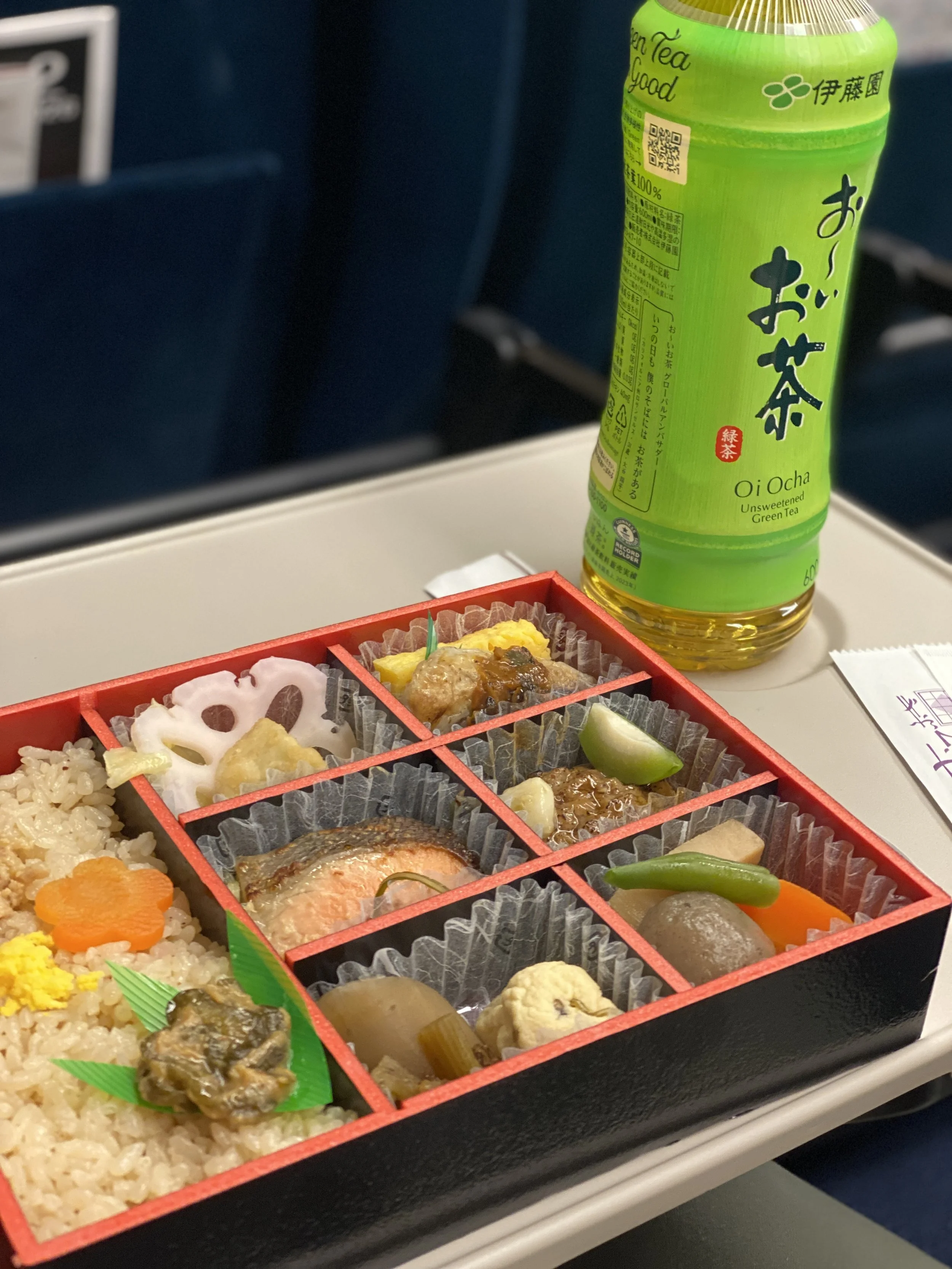
The first time the thought struck me was on the shinkansen from Tokyo to Nagano, a few hours after landing.
I’d finished my glorious bento box (and texted my kids the $7 price tag, to which my eldest replied: “You can’t get a Snickers for $7 on Amtrak”), wiped my hands, taken the last glug of bottled green tea, and headed to the bathroom.
I’ve been on plenty of trains. I consider myself well acquainted with train bathrooms.
And yet I stood in that doorway for a full minute before nodding to myself: I can do this.
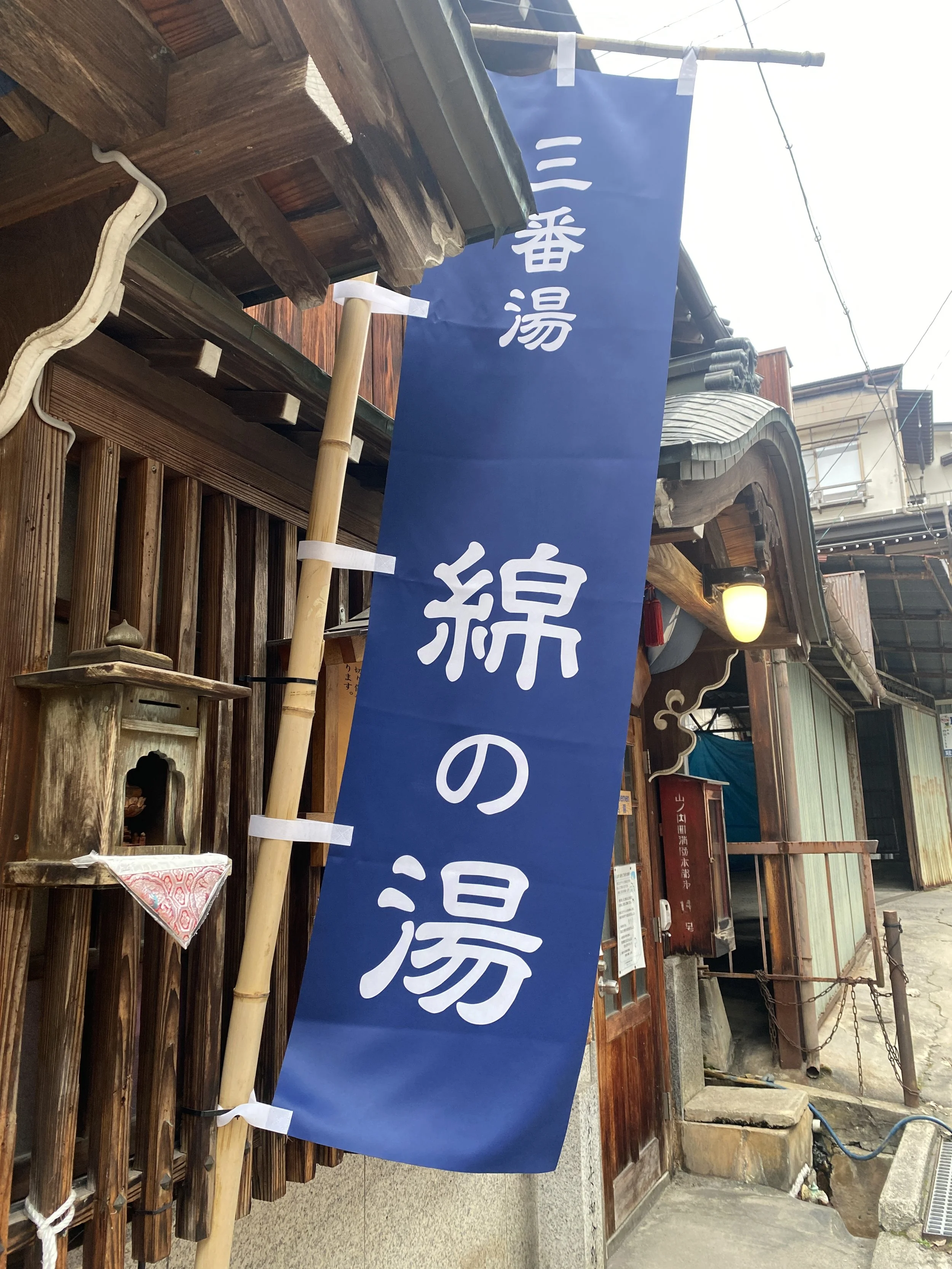
I’d heard about Japanese toilets. I’d even watched Perfect Days (stop reading and go watch it immediately), so I knew they could be…elevated. I just didn’t expect to encounter one on a train.
What struck me first wasn’t the bells and whistles. It was the cleanliness. The kind of clean my bathroom achieves for roughly one hour after a heroic effort.
Think about it—when was the last time you used a bathroom on public transportation that didn’t involve mysterious droplets, rogue toilet paper, and a seat of questionable provenance?
This was spotless.
Then came the features.
I literally gasped when I sat down and the seat was…warm.
It made me realize how accustomed I am to flinching.
In Japan, no flinching. Ever.
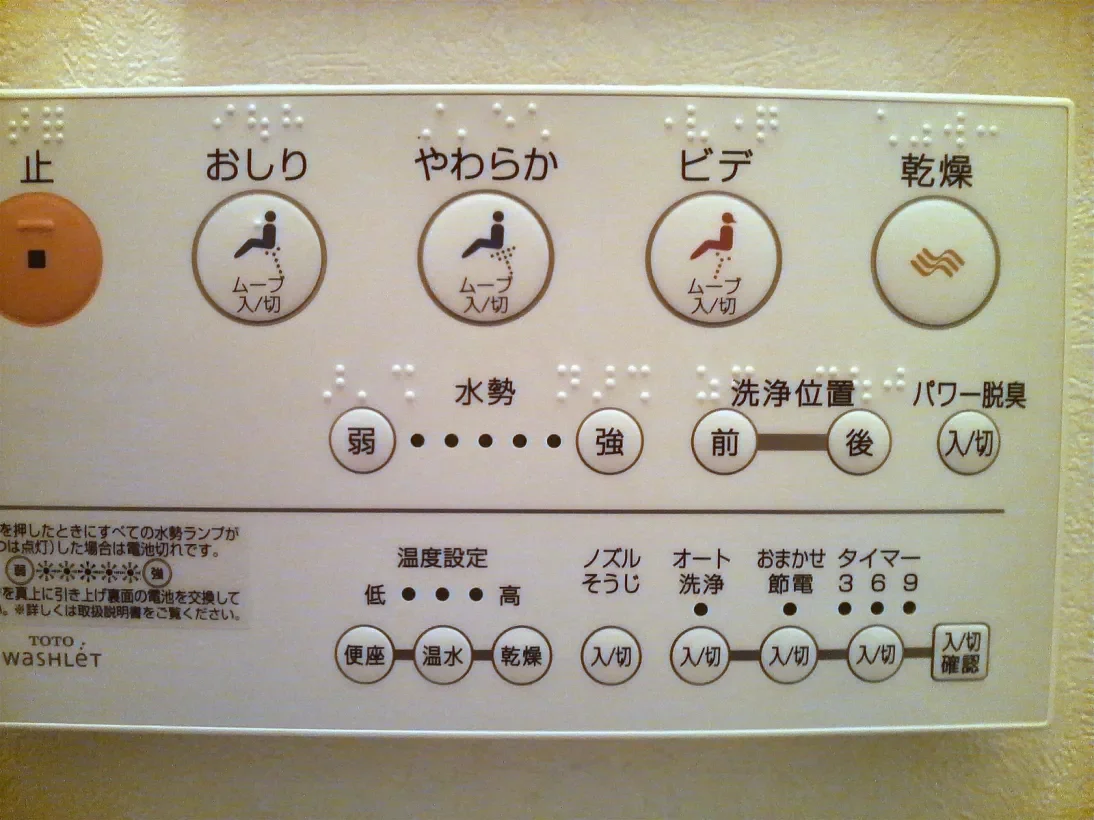
Then the buttons. So many buttons. Thankfully with helpful little icons so I could identify birdsong “privacy” music, spray direction, and dry—yes, DRY—and, most importantly, stop. I learned the Japanese character for “stop” entirely through toileting.
I floated back to my seat, clean as a cherub, mind spinning like a demon.
After telling my husband I’d just had the best bathroom experience of my life on a bullet train, I cocked my head.
“What must Japanese people think of Italian toilets?”
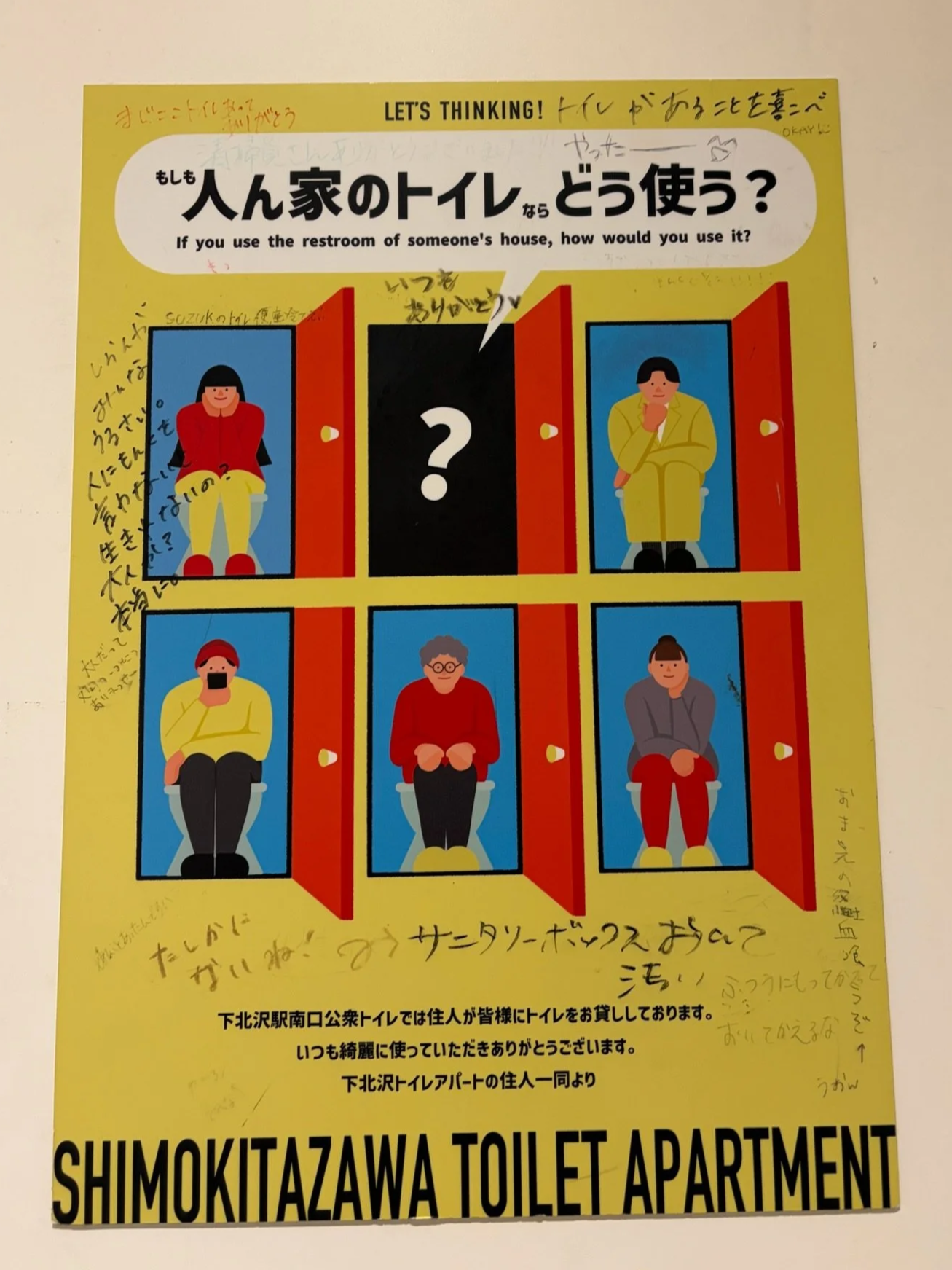
To be fair, Italy has improved. Many places now have toilets, which is progress from the not-so-distant past of holes in the ground with helpful grooves that—let’s just say—do not account for female geometry.
But squat toilets still exist. In public places, older restaurants, even my children’s school. My kids became experts at “holding it.”
And when there is a toilet? The seat is often missing.
Italy, it seems, spends exactly zero minutes considering the toileting experience.
Which is fine. America isn’t exactly a sanctuary either. But it does make you wonder what someone accustomed to privacy music, heated seats, and spotless floors thinks when faced with…a literal hole in the ground.
The next time the question surfaced was at breakfast.
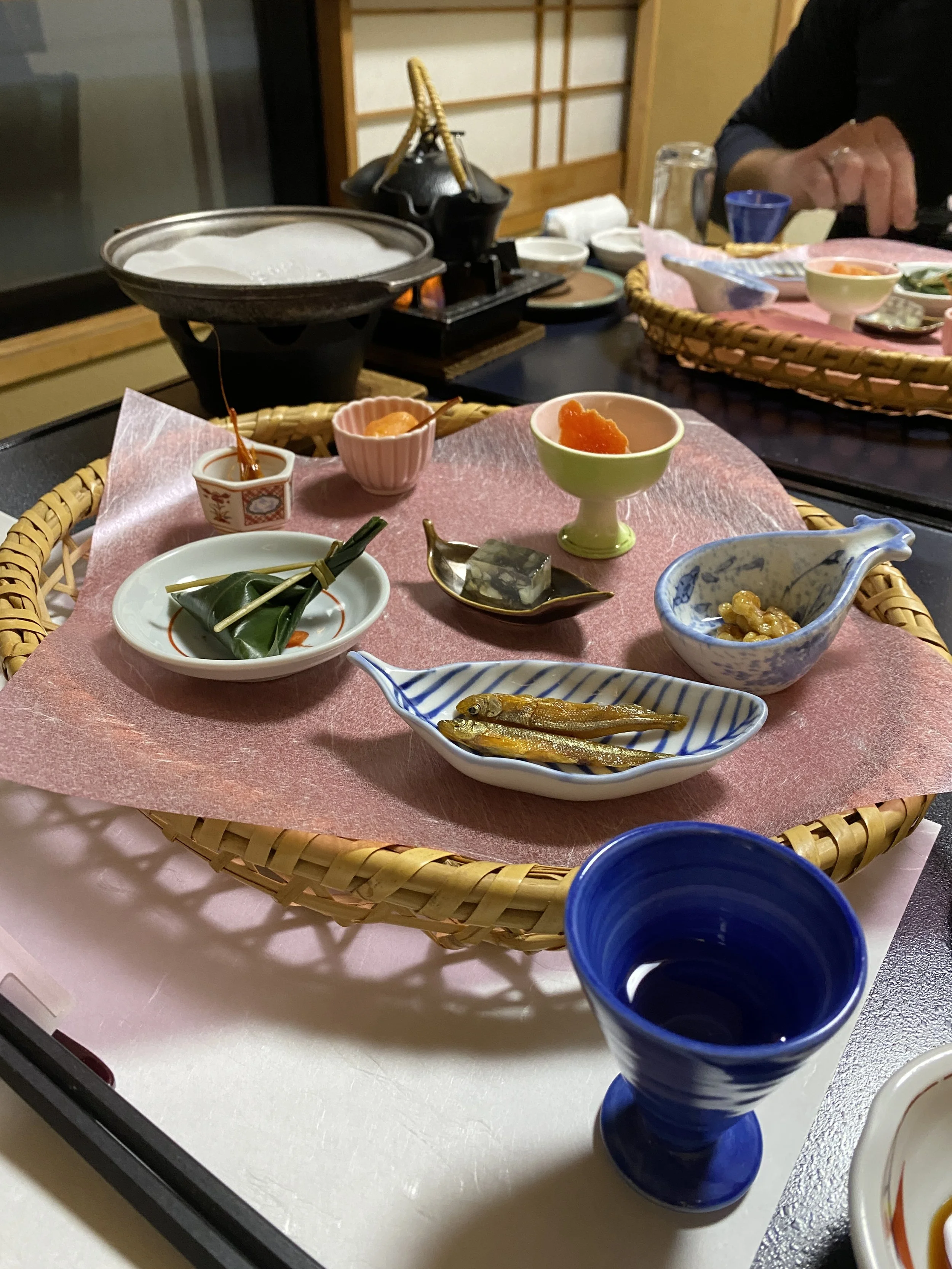
Before traveling, I’d read that traditional Japanese breakfasts often include fish, rice, and miso soup. I wasn’t entirely convinced—global cereal creep is real—but in the ryokan (a traditional Japanese inn, usually with hot spring water baths), that’s exactly what we ate.
Picture this:
You arrive in a yukata (a casual, cottonand are shown into a tatami room. Soft music floats somewhere unseen. Before you: grilled fish, rice (each grain a pearl), miso soup, pickles, tofu on a small burner, a rolled omelet, vegetables with sesame, yogurt with local jam, and a pot of green tea.
Now compare:
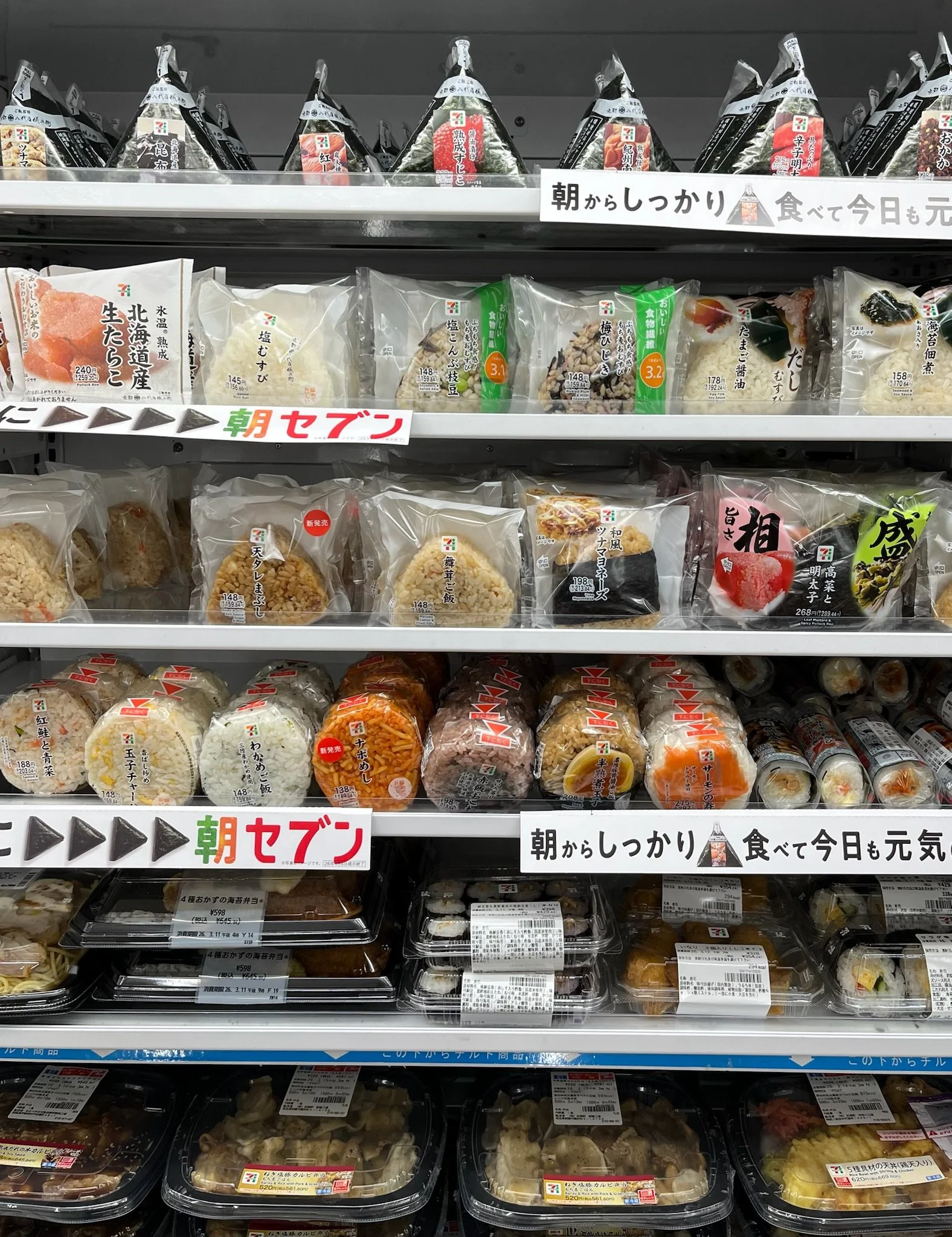
convenience store offerings in japan
Italian bar. A thimble of espresso. A cornetto. A heated debate about the weather.
I love them both. I do. But if you grow up with soup and fish for breakfast, what do you make of knocking back a tablespoon of coffee and a pastry?
(For the record: the Japanese breakfast held my husband through a full morning of skiing better than pancakes ever have.)
Also: it is shockingly easy to get used to fish for breakfast.
The third difference: lines.
In Japan, they exist.
In Italy, they do not.
At a tollbooth in Italy, the scene resembles bumper cars at the buzzer. Angles. Horns. Chaos.
In Japan: order. Even beauty.
At the Tokyo airport, we initially rushed to the “empty” side of the escalator—until I realized the line was on the left (driving and walking are on the left in Japan). Snaking. Patient. We joined the back.
Crosswalks are similar.
No cars in sight? You still wait for the light to turn. Your reward? A little jaunty tune when you cross the street. I perpetually felt like I was living in a video game.
I loved this.
Waiting removes decision-making. It gives you a moment to look around, to breathe, to study posters and see if you can now recognize any characters other than “stop” or “dry” (short answer: no) rather than attempting to evaluate how fast an oncoming vehicle is approaching.
Why rush it?
My family and family found this infuriating.
My husband insisted it wasn’t one less decision, because he still had to decide whether or not to follow the rule. (He followed it every time.)
Imagine this contrast.
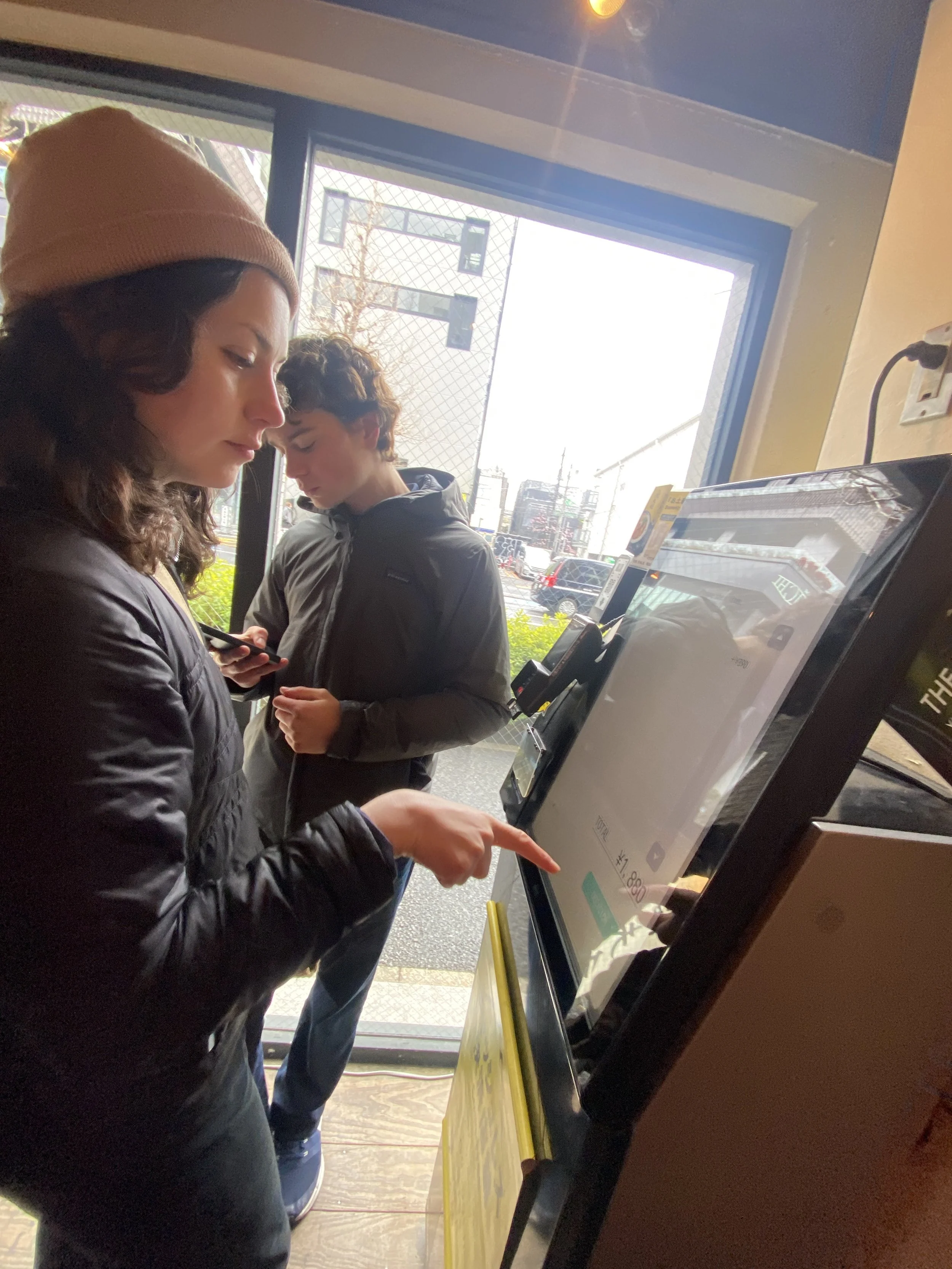
ordering ramen on a screen: Another “Can’t picture it in italy” moment
Tokyo: A wide, but quiet road. No cars. People gather and wait. When the light changes, they cross in a smooth ribbon, unspooling across the intersection.
Naples: Same setup. Same red man on the signal ticking down until safe crossing. No cars. People foment on the corner, heads craned to the left to spy a handful of oncoming scooters down the block. Even though the light clearly shows pedestrian crossing in just a few seconds, pedestrians will not wait and fling themselves across the street. Others surge with them. Scooters arrive, stop. Cars pile in behind them. The hordes of pedestrians swarm around the stalled scooters and cars.
The pedestrian light now shows a green person walking and so I step off the curb.
Alone.
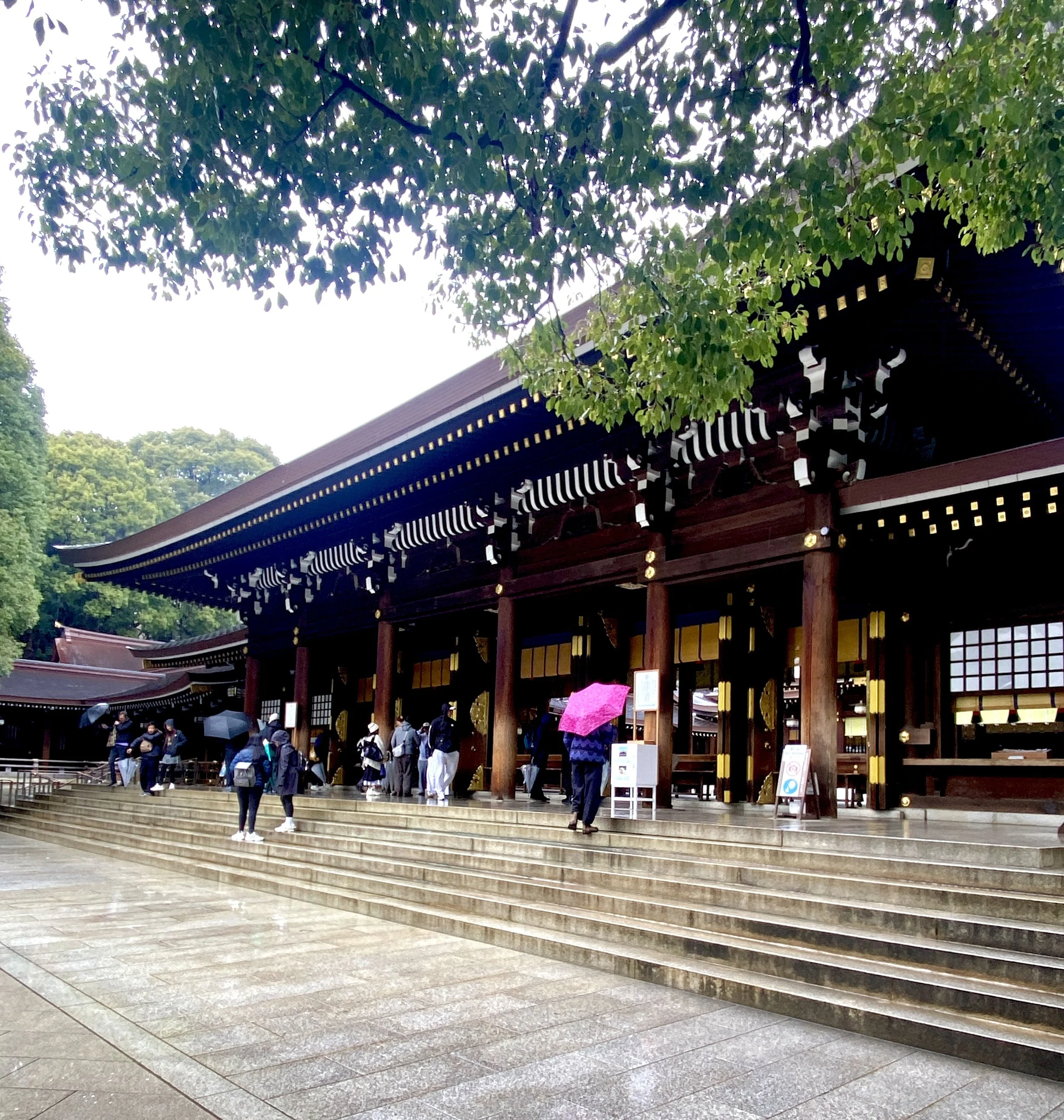
In the end, I’m less interested in which way is better than in the fact that both exist.
That somewhere in the world, a bathroom can feel like a sanctuary, breakfast can be a meditation, and waiting can be a gift.
And somewhere else, life spills forward—imperfect, noisy, improvised.
I love them both.
Japan made me aware of every small friction I’d stopped noticing.
Italy reminds me that life doesn’t have to be optimized to be lived.
But I still can’t help wondering what the Japanese make of Italian toilets.
Join The Grapevine, my once-a-month newsletter for readers who love Italy, books, food, and the slow art of paying attention. As a welcome gift, you’ll receive a free e-copy of my bestselling novel set in Umbria, Santa Lucia—a story steeped in the beauty and mystery of small town Italy.