
Versilia, the Tuscan Coast Unknown to Travelers
/As part of my Local Guide Series, I’m delighted to offer up this article on the the undiscovered beauties and flavors of Italy’s Tuscan coast by Peter Benei. You can learn more about Peter and his work introducing people to off-the-beaten track Italy at his beautiful website, Anywhere Italy.
Camaiore. Pietrasanta. Forte dei Marmi. Seravezza. Town names that ring no bells for most people. Maybe some of you know Pietrasanta or Forte dei Marmi. If I widen the picture and say that it is all below the mountains near Carrara, you might say "Ah, marble!" But only a few of you will be able to point to one of the best, if not the best, stretches of beach in Italy. I have been living here for the last three years, so let me tell my story.
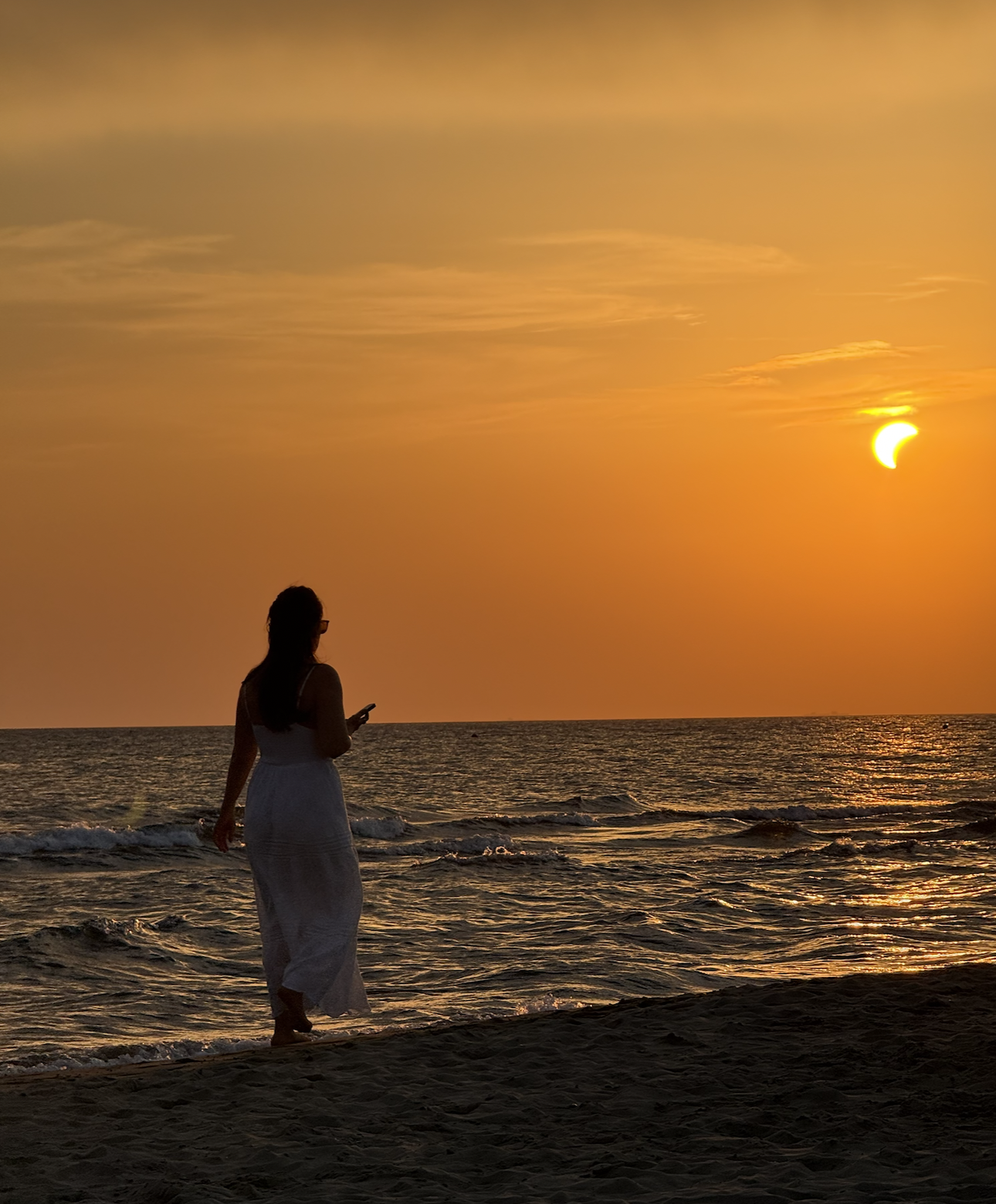
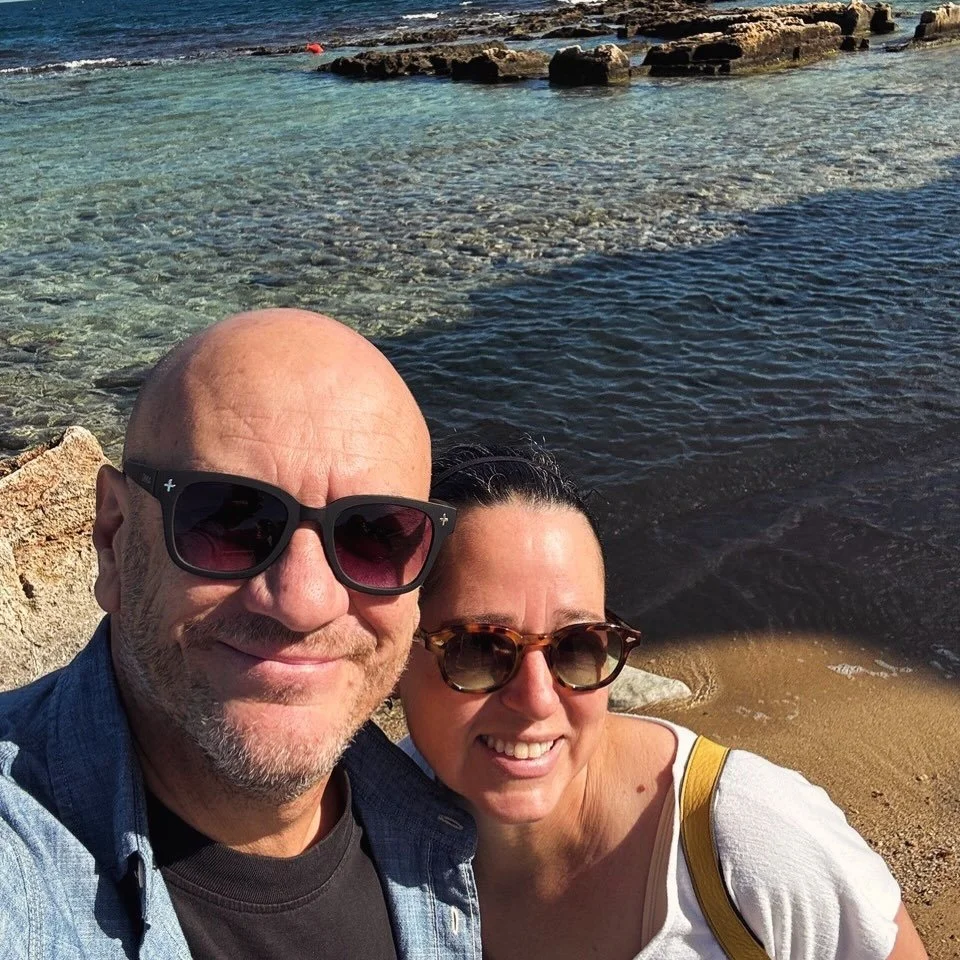
I've always dreamed about living in a small town by the beach in Italy. I'm sure I'm not alone in this dream. So after years of slow traveling in Italy and almost a year spent in Rome, my wife and I ended up in Tuscany. More precisely: on the beach of a small town called Pietrasanta.
Since then, we have learned what Versilia means, what Lunigiana has to offer, and why everyone is flooding to mainland Tuscany and the Ligurian coast, but only a few come here. But let's play this slowly and start with the basics.
Versilia. On the map, it's roughly between Pisa and La Spezia. Behind you are the Apuan Alps, with the Lunigiana and Garfagnana areas in the valleys. In front of you is the sea. If you ask locals, it's the territory of only four villages: Stazzema, Seravezza, Pietrasanta, Forte dei Marmi. If you ask me, I also add Carrara, Massa, Viareggio, Camaiore, and Massarosa. If you ask someone who lives in Pietrasanta, they would probably get offended by the sheer fact that I counted Viareggio into this, but hey, it's my article, not theirs, and I'm just a foreigner without the Italian campanilismo.
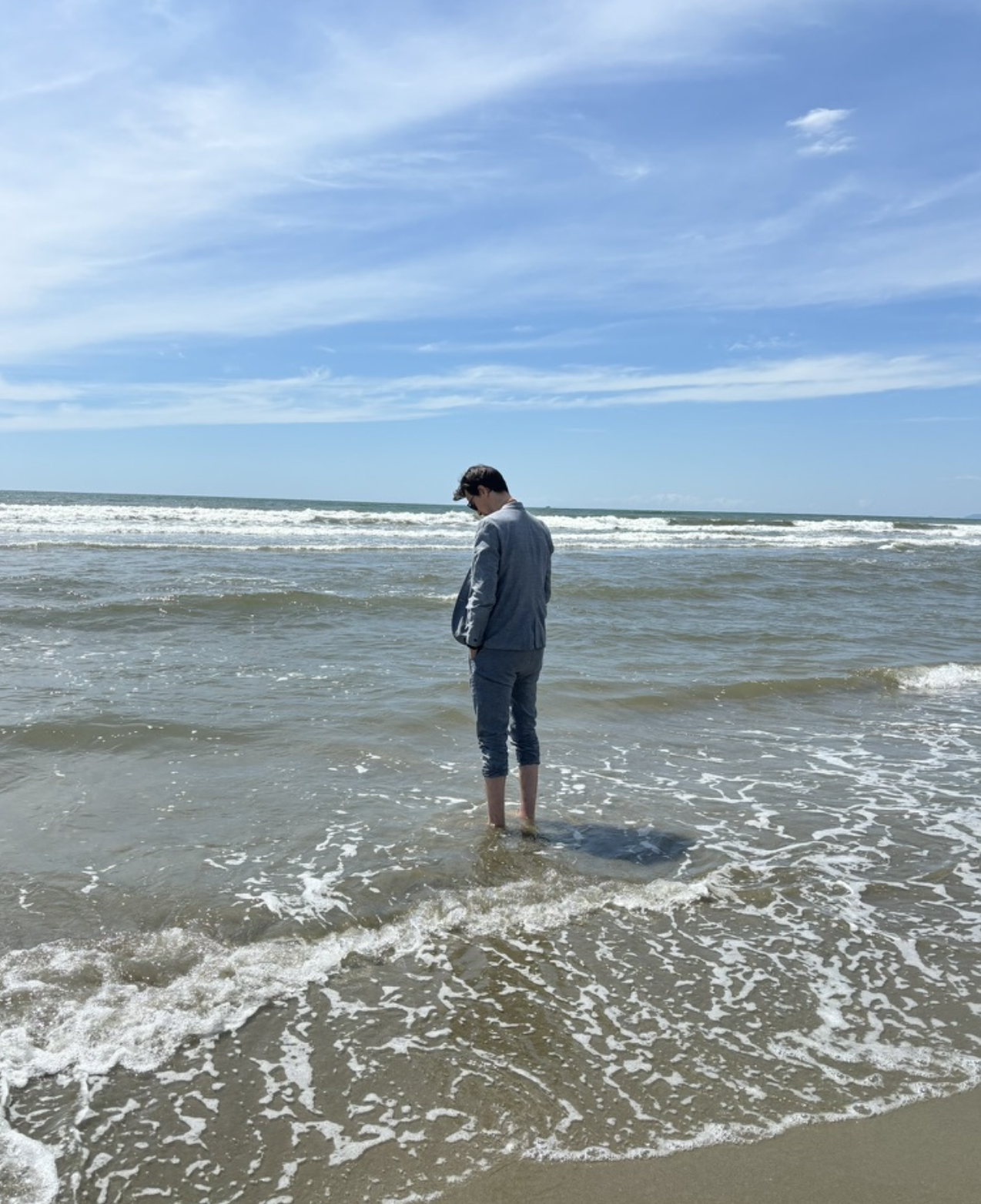
There are two things you can't ignore here: the marble and the swamp. Let's start with the swamp, because it now survives only around Lake Massaciuccoli, a local water reservoir, home of the Puccini Festival and endless birds, and a natural reserve. The rest of the area was drained long ago. Now it's one of the best, most beautiful, thirty uninterrupted kilometers of flat sandy beach in Italy, with pine and cedar trees along the way. Versilia is home to some of the best beach clubs in the country, the carnival of Viareggio, and the birthplace of Italian pop and disco, and it is currently filled with hotels, villas, and resorts.
Due to its insanely long stretch, it's roomy, so it's not the hotel-after-hotel cramped space you get in Rimini or Jesolo or the other famous Italian beach destinations. Here, entire forests, like the Versiliana, and parks cut midway to the bagni and the hotels. The heritage of the swamp now lives only in the small rivers, like the Versilia, the one that gave the region its name, running down from the mountains into the sea.
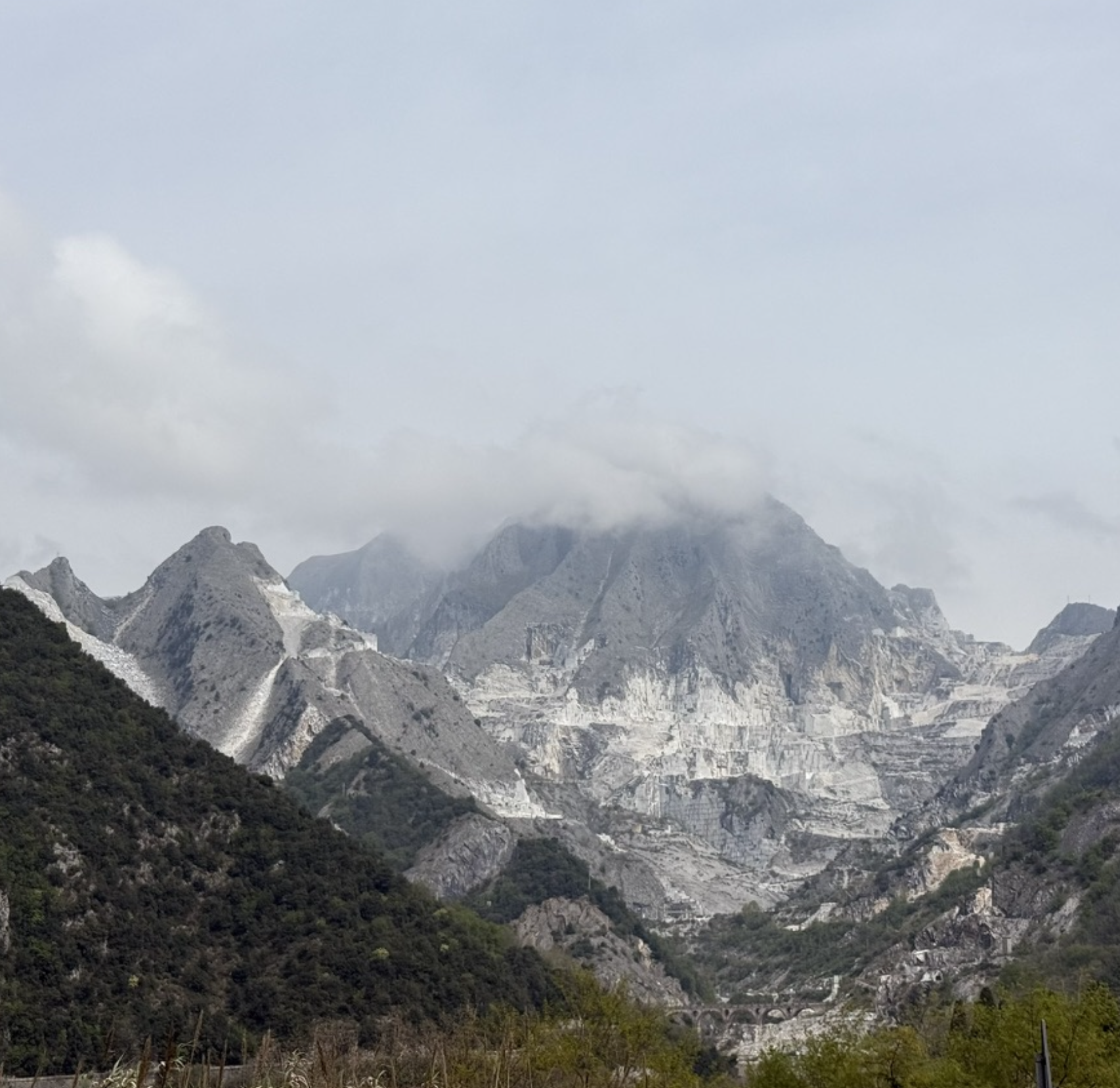
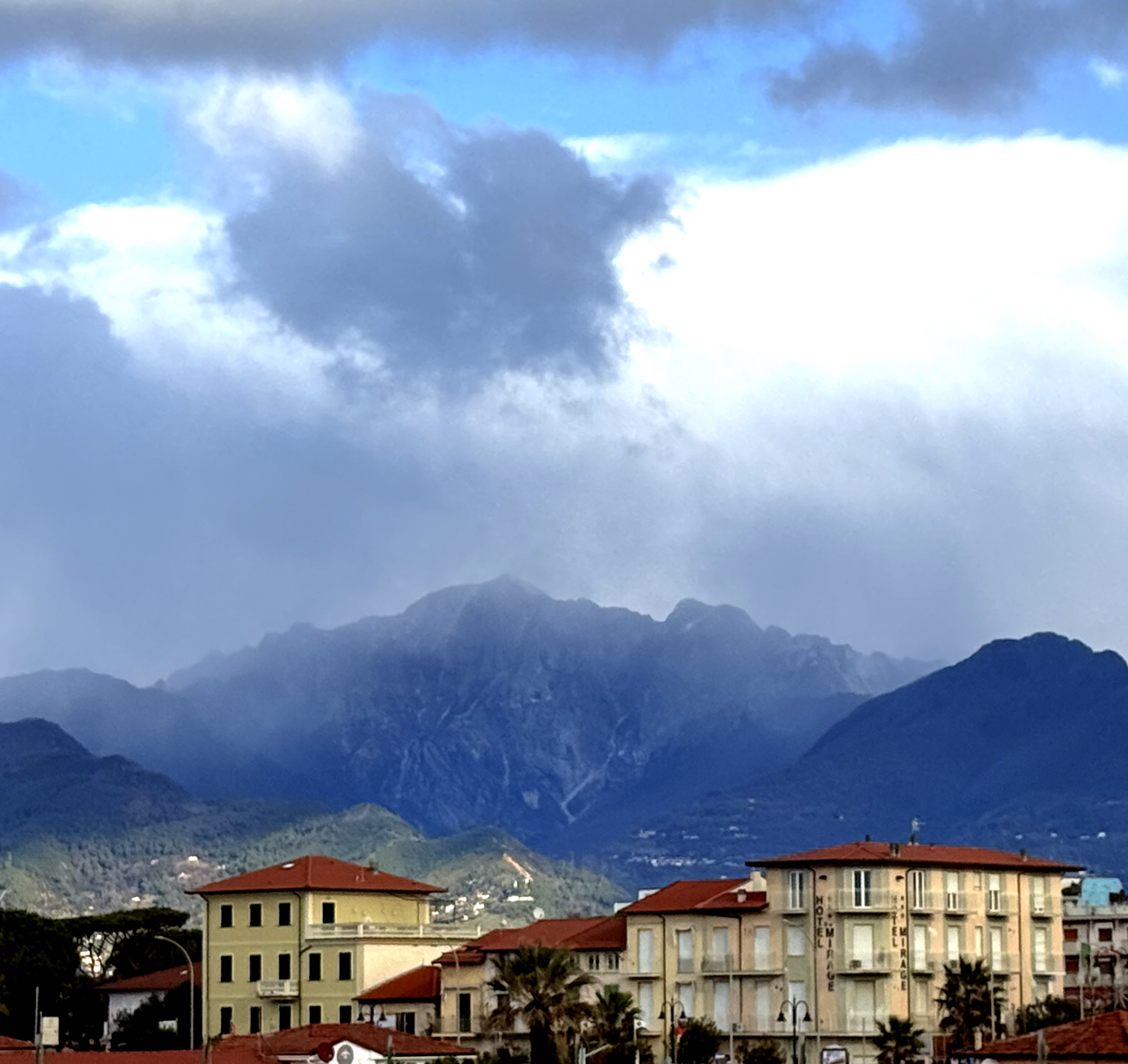
The marble is different. It's everywhere. It has been running the entire region since the Romans. If you stand on the pier of Forte dei Marmi, you can see the mines, the huge white mark they leave on the mountains. Because of the marble, the entire region has two distinct faces: a working class and an upper class. Everyone loves the bling, so let’s start with Forte dei Marmi and Pietrasanta.
You start your trip from Forte dei Marmi, the original beach-club town, where the Agnelli family built villas far back in the 1920s, deep into the pine forest, and where the marble was once stored at the local fortress before shipping, hence the name. Now the town is a playground for the elite. But it's a bit different from places like Capri, Portofino, or Sanremo.
It's much more tied into what we now call old money. Yes, there are plenty of new-money people coming here, spending their "hard-earned cash" in the local Gucci stores. But there are quiet villas back in those smaller streets, many with signs marking private roads. Most of them were built in the 50s and 60s. Still owned by the same families. Take a bike ride for villa hunting instead. It's a much better experience than strolling the D&G promenade with "businessmen" shouting at their young blonde girlfriends, "Da!"
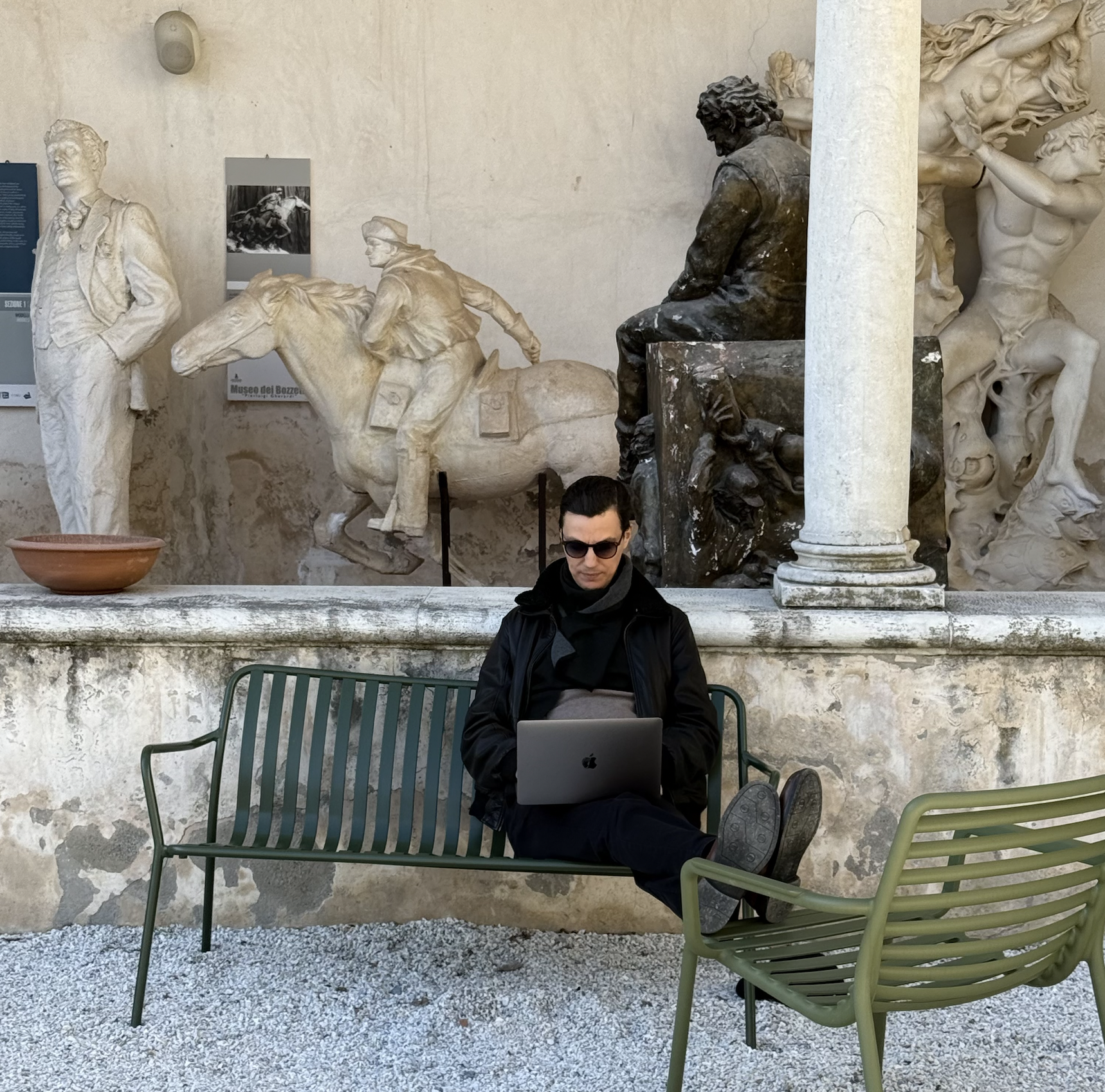
The next stop is Pietrasanta, the art capital of the region. Whatever marble fell off or broke during quarrying got transported down to Pietrasanta, so the local sculptors could work some art from the pieces. Michelangelo’s David and most of the Renaissance art pieces? Yeah, the marble came from these mountains. If there is a capital for sculptors, it's probably Pietrasanta. The city still has about a hundred operational workshops, is home to resident artists, and has a permanent open-air exhibition space along with countless indoor galleries. Even the local bank's reception hall has more marble statues than most museums in the world.
And it is Viareggio where you see the first mix of the two worlds. The best way to experience it is to simply walk the Viareggio promenade from Lido di Camaiore to the end of the harbor. The bagni and the hotels by the sea are like scenes from The Great Gatsby. Everything is grandiose. The restaurants have private dining spaces on the beach, rooftop bars sell cocktails by the pool, and people carelessly enjoy their days on the balconies of private villas. And at the end of the promenade, you arrive at the harbor, which is half fishing port, half shipyard, because Viareggio is also big on private boat construction.
The comfy armchairs are now plastic tables, the menus are order-at-the-counter seafood, fried octopus is sold in paper cups from small boats, and in the morning, the fishermen put the day's catch out on their stalls, delivered straight from the boats parked in the canals. The bling is gone, but there is no place on this planet where you can get better seafood. It simply can't be fresher than this, and you are like a happy little kid, stuffing your face with grilled calamari served on a paper plate for ten euros.
It's time to jump into the car and drive north on the main road by the sea, up toward Carrara. The closer you get to Carrara, the less luxurious things become. Massa's seaside is the family vacation spot for factory workers from Fiat and the other big blue-collar employers. This is where the marble gets packed and shipped, so after passing the mass hotels, the family bagni, and the camping sites, you end up in harbor-land. I have a crush on port cities. They have the freshest seafood, and they serve it with absolutely zero fuss and fanciness, which I adore. But we are hunting for a different type of food here.
From Carrara, we go up into the mountains to the mining villages. Some people know these places from Stanley Tucci's Tuscany episode in his travel show: Colonnata, and its lard. Long story short, there is a very small village overlooking the mines, called Colonnata. It's a miners' village, and half of the streets are named after anarchists, no joke.
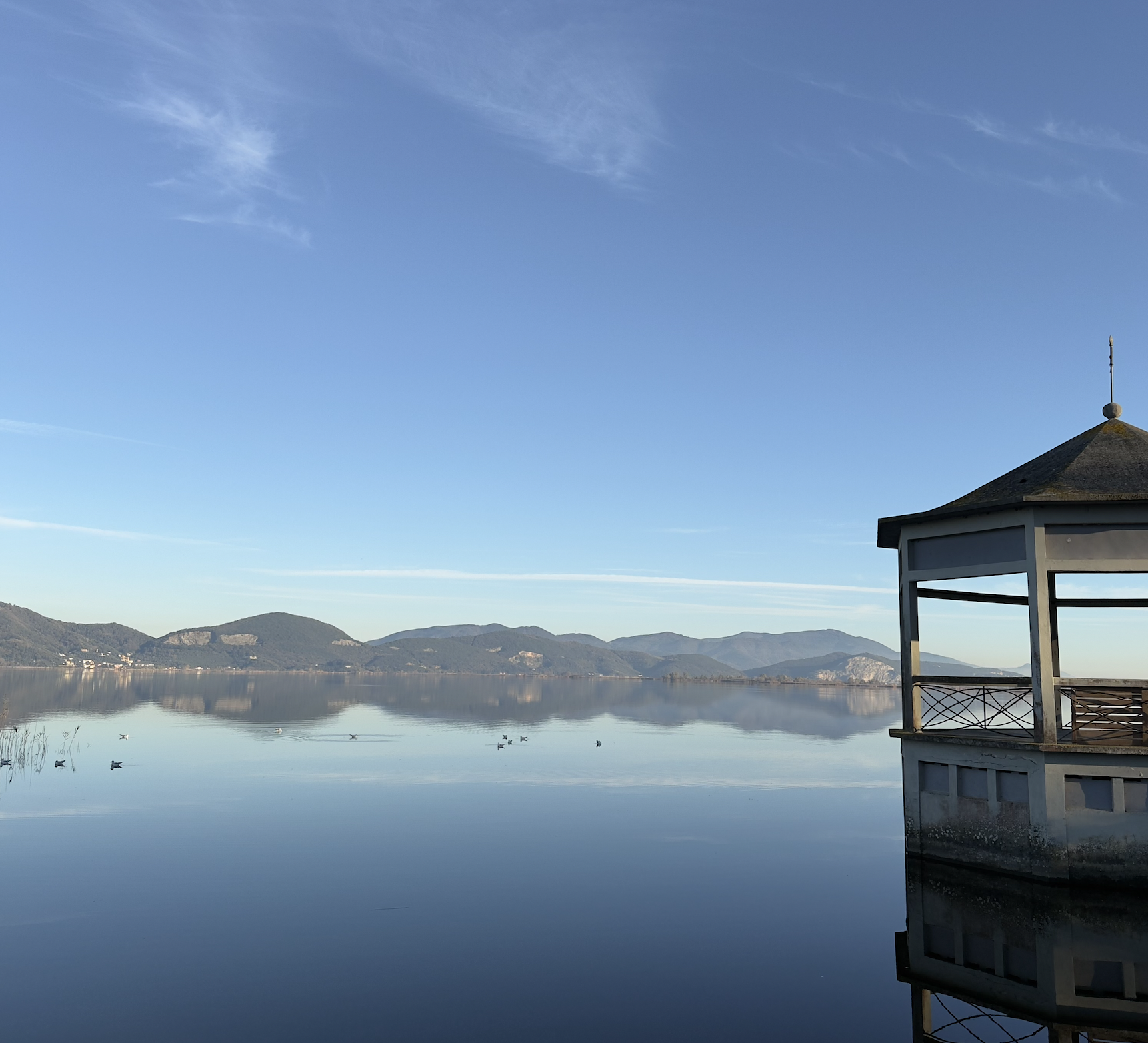
lake massaciuccoli, Tuscany
Aged pork fat was the perfect source of energy for hard work in the mines, and the lard of Colonnata became famous because the quarrymen aged it in basins carved from the local marble. Now the habit has become a culinary specialty, and the production is more controlled, but the basins are still marble, the aging still lasts sometimes an entire year, and the spicing is still a family secret, of course. The entire process produces the creamiest, silky-smoothest lard that you have ever had. It's worth traveling up to the village to see for yourself, but the local produce can be found in any shop in the area. Just look for Lardo di Colonnata.
I could go on and on, introducing the rest of the villages. My personal favorite is Camaiore, up in the hills as well, the quintessential Tuscan mountain town with an old center. No TV shows made about it, no one really has any reason to visit it, but it is exactly why it is the best place to spend an afternoon.
Pietrasanta, Tuscany
But there is another reason why I love Versilia, and it is quite practical. If I hop in the car, whichever way I drive, I find the places that make people cross oceans to see. Up the coast, it's the entrance to Liguria, the Riviera di Levante running all the way to Genova, with places like the Gulf of Poets, the Cinque Terre, the Bay of Silence, and Portofino, the Ligurian answer to Capri's bling. Behind the mountains, it's the Lunigiana and Garfagnana, a region almost entirely unknown to tourism, which makes it the best place for day trips, any time, any day, any season. Inland, it's mainland Tuscany, starting with Pisa, then Florence, and the places known to everyone for their cypress-lined roads and hilltop towns.
And you can enjoy all of this while having your home by the beach. A beach that is pretty much asleep from September to June, and even in high season sees ten times less traffic than the famous Italian beach destinations. I don't really understand why. But I'm thankful for it, and I'm fairly sure that even me writing about it won't make it popular enough to ruin it.

Peter Benei is a writer living in Versilia, Tuscany. After spending more than two decades in PR and marketing, he started writing about Italy in 2025. His goal is to cover the 1,000 towns in Italy that most travelers skip. He just passed 55 on his list. He is covering the journey at Anywhere Italy, where he also runs a free weekly newsletter. If you want to join, sign up at anywhereitaly.com.