
Seven Ways to Cook Like an Italian
/
One of the highlights of October’s Book Club with a View in Tuscany and Umbria was watching everyone’s faces light up over dishes they were tasting for the first time, or at least the first time made this way.
Which is funny, if you think about it. Italian food is, at its core, simple. Maybe not in Bologna, where pasta is made with extra egg yolks because people had so many lying around they could waste the whites. But simplicity is key in central Italy, which is, at its core, agricultural. People here didn’t have time to daydream about what else they could add to their ravioli. They had potatoes, so they threw in potatoes.
Swoon.
Because in it’s simplicity, in the honoring of seasons and nature’s gifts, the food of central Italy is heady stuff. Full of flavor and freshness, lilting with nuance.
I spent an afternoon after the tour with my friends in Bettona, the ones who taught us how to harvest olives, introduced us to the pleasures of warm torta al testo stuffed with home-cured salumi, and cheered when Nicolas asked for yet another helping of pasta for dessert. Sitting with them, remembering meals past, surrounded by olives trees and their new patch of saffron, I was reminded of what lies at heart of central Italian cooking.
And now I’ll share it with you.
1. Cloves aren’t just for Christmas.
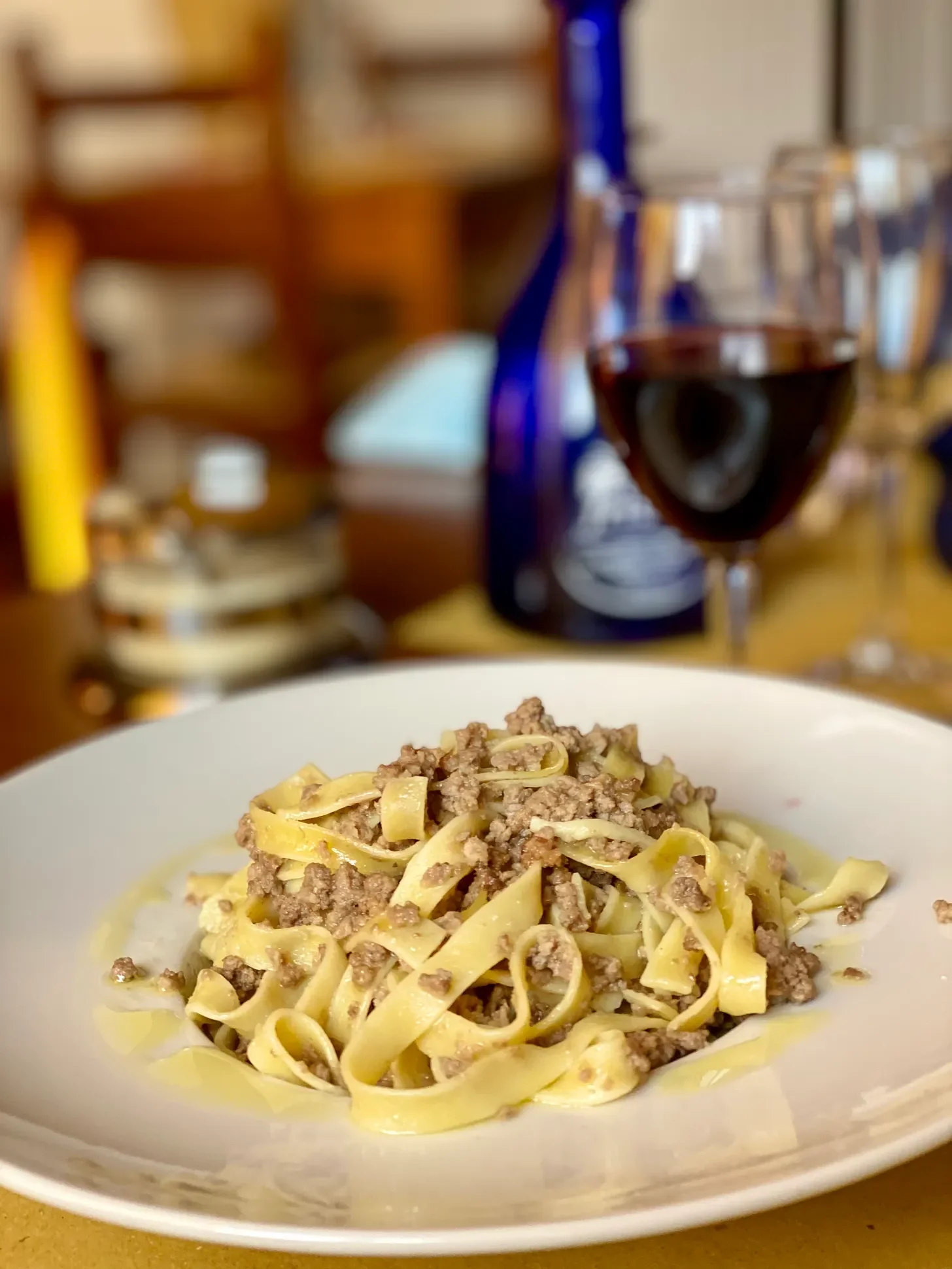
More than once, someone on the trip took a bite of pappardelle with wild boar sauce or freshly rolled tagliatelle with beef sauce and exclaimed, “Is this a clove????”
Indeed.
In fact, my recipe for otherworldly ragù calls for plunging a clove into an onion and tossing it into the sauce. Even easier, a few cloves added to a beef or wild boar sauce bring a hint of warmth and depth. You may not immediately identify the flavor, but you’ll miss it if it’s not there.
2. Wine needs to cook down, not just show up.
Wine adds brightness and depth to a sauce, but timing matters. Once you’ve cooked your meat, onions, celery, and other flavorings, add enough wine to cover them (white or red, your choice). Then—and this is important—let it cook down.
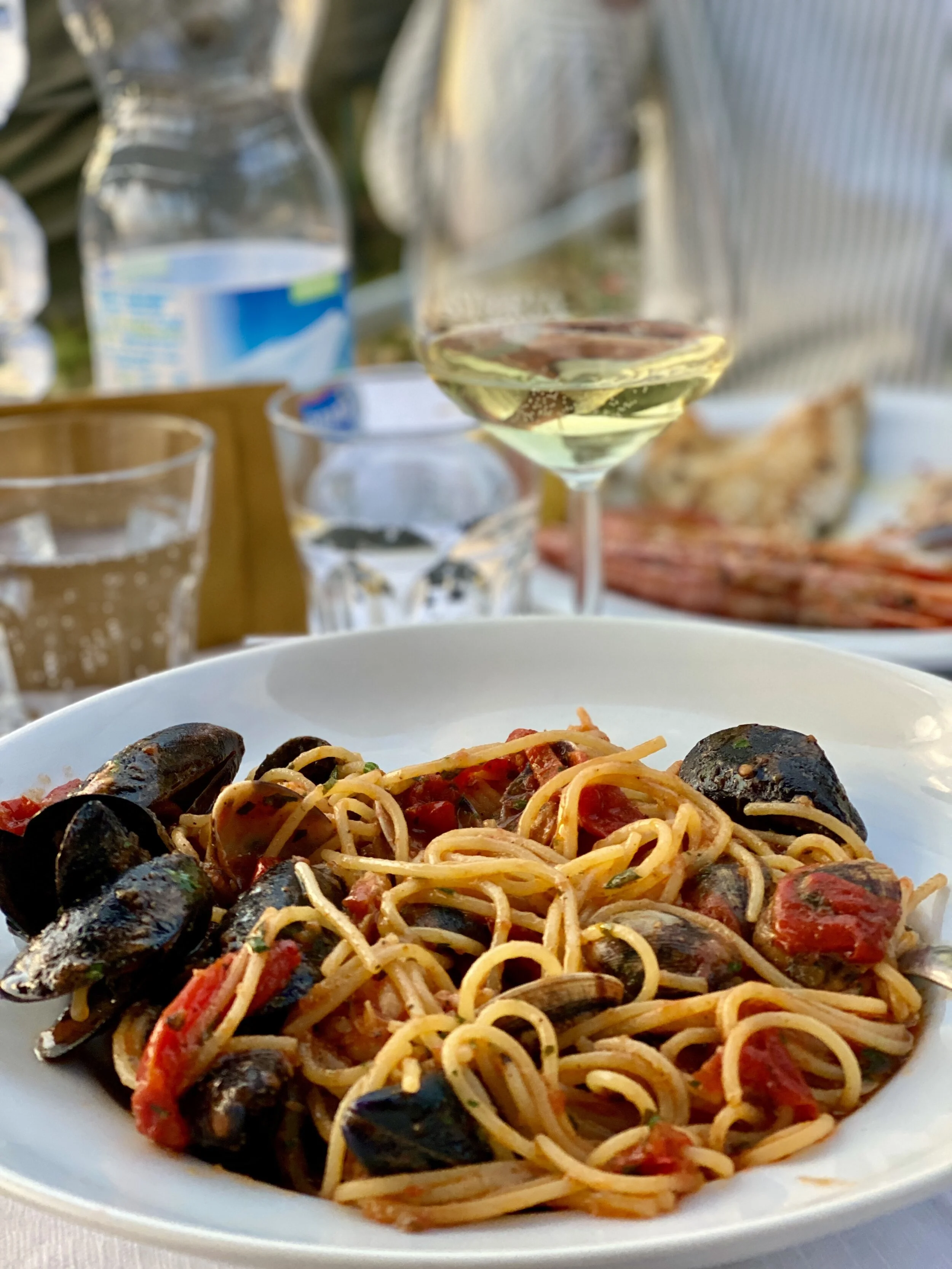
Stir as it bubbles, scraping up the caramelized bits on the bottom of the pot. Fancy people call these the fond. You can, too, or just call them the leavings. As the wine reduces, its raw edge mellows and its flavor concentrates into something slightly syrupy, bringing just the right balance of sweetness and acidity.
3. Don’t be shy with the salt.
Tenuous salt application is one of the most common rookie-cook mistakes. If something tastes insipid, try adding a pinch of salt. I’m not sure whether the sal- in insalata (salad) is a coincidence, but I doubt it.
Salt makes things taste better and that is just a culinary fact. I’m reminded of one of my favorite fairy tales, where a king asks his daughters how much they love him. Most mentioned roses or gold, the moon and stars, but his youngest took her time before saying she loved him as much as salt. She was banished, obvs, and became a lady in her own right somewhere across the kingdom. One day the king showed up at her door for a feast, and didn’t recognize his daughter. He sat down to eat and immediately spat out his food. One dish after another, the same. He looked up and in dawning awareness, recognized his daughter. She laughed and told him that he finally understood the value of salt. That she’d tried to tell him all those years ago, a life without him was a life without flavor.
There’s a lesson in there about making assumptions and babies with bathwater, but the intended moral for today is: salt is flavor.
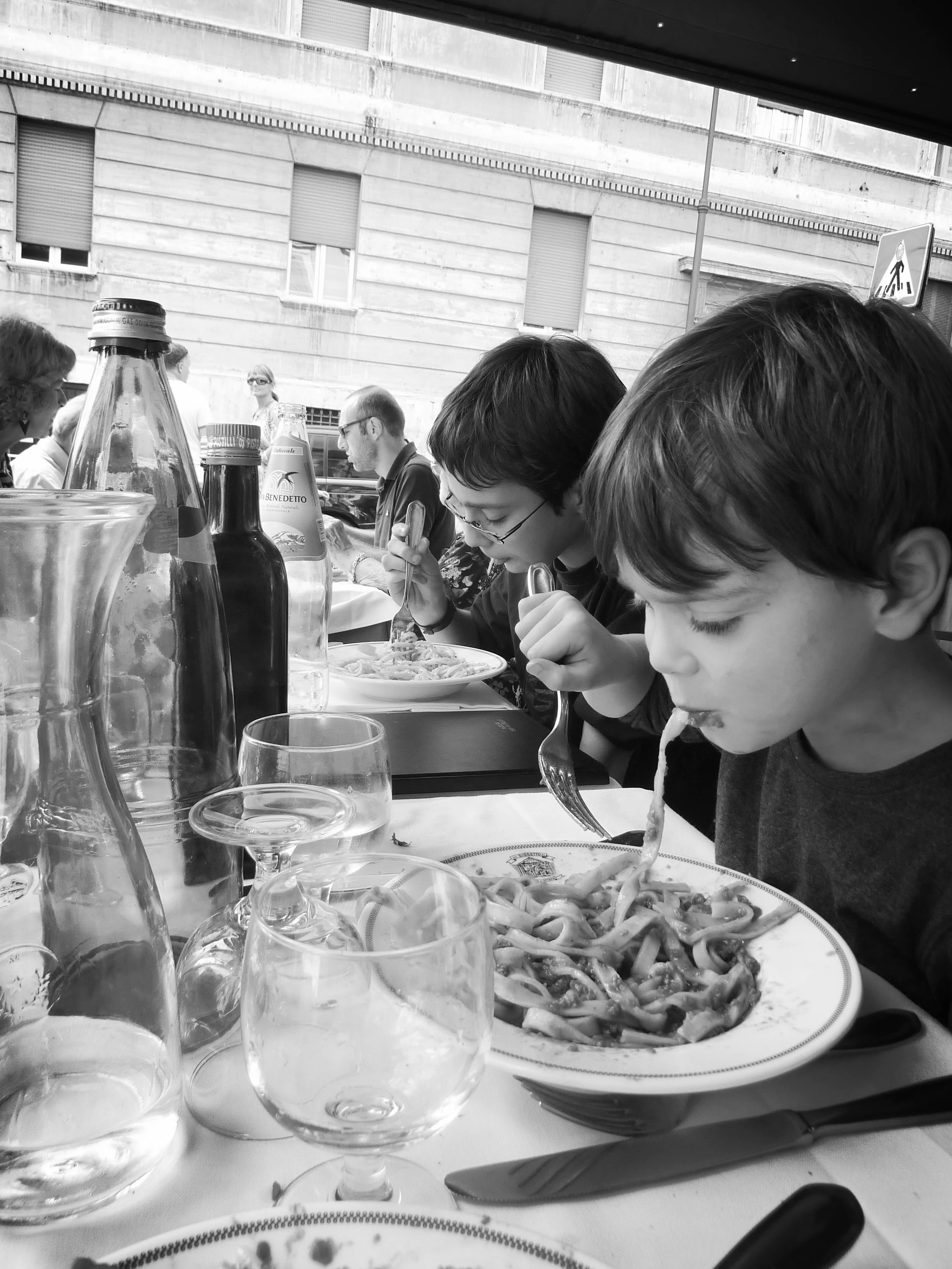
That said, taste as you go. It’s almost impossible to take salt back out (I’ve had a little luck tossing in potatoes to soak some up after getting too giddy with a palmful), but don’t be timid about adding it a bit at a time.
Now, central Italy has a particular history with salt. Tuscany and Umbria both have traditions of unsalted bread, shaped in part by historical conflicts and the cost of salt. The salt gets put to work flavoring the foods rather than bread (which is why Umbrian prosciutto is saltier than what you might be used to from Parma), so if you want your food to taste authentic, remember to salt like an Italian nonna. PS I won’t rat you to the Umbrian police if you serve salted bread with your salted food. Yes, I’ve given Stella, my cozy mystery heroine, and increasing fondness for unsalted bread as she makes Umbria her home, but this is a place my main character and I part company.
One especially important place to use salt: pasta water. Aim for water that tastes pleasantly salty, almost like the sea. If you’re new to the salt game, go a little lighter on the salt in your sauce until you’ve tasted everything together. Salty pasta and salty sauce adds up to a salt-lick. You want the salt to amp the flavor, not BE the flavor.
4. Pasta water is liquid gold.
Whenever I pour a pot of pasta into a colander, I perch a bowl or measuring cup underneath to catch the cooking water. Don’t let it go down the drain!
I toss the pasta into the waiting sauce for the last few minutes, to help the flavors marry, and the I add in a tablespoon or so of the pasta water at a time. That starchy water loosens the sauce and gives it body.
Keep adding, piano piano, until it all comes together.
5. Meat sauce doesn’t have to be red.
Tomato-free meat sauces are found all over Italy, and central Italy has some particularly lovely versions made with beef, aromatics, olive oil, wine, and—yes—that pasta cooking water. The starchy water helps emulsify the sauce, bringing everything together into a silky coating for the pasta.
No tomato required.
6. Freshness is the secret ingredient.
Italy has an extraordinary range of local produce and meats, from world-class beef to candy-sweet melons, heritage pork, floral lemons, green-hued clementines, and creamy potatoes. Because all this grows on the Italian peninsula, it doesn’t travel far to arrive to markets in central Italy.
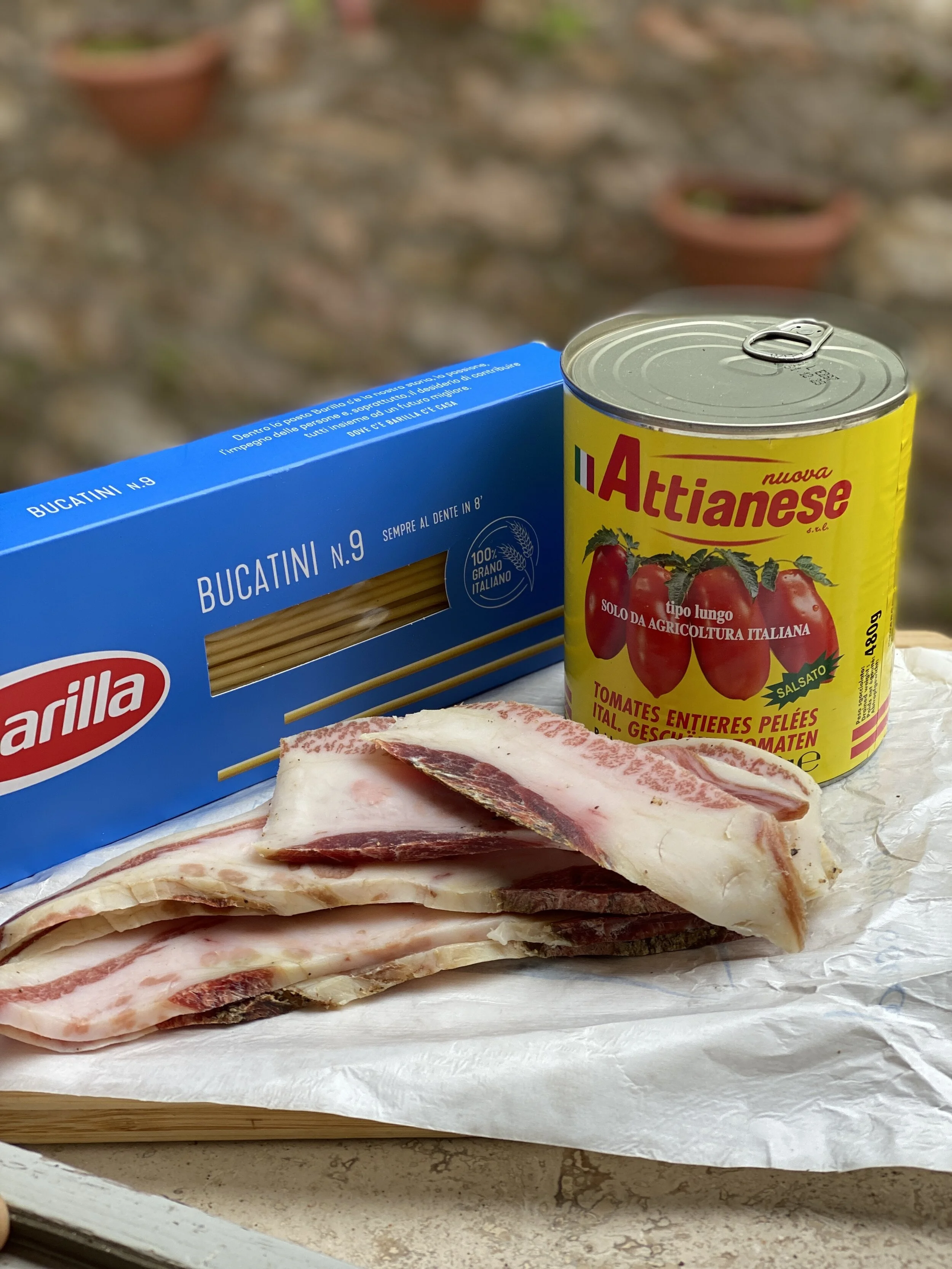
That freshness from a short journey allows a dish to sing. You see, a juicy, sun-warmed tomato is a different beast from a mealy, pale one picked green to survive transport across a continent. Italian food is based on that kind of freshness, so they don’t use a lot of ingredients to make up for flavor shortfalls. Every ingredient pulls its weight and more.
I once ordered white beans at a restaurant in Tuscany and begged the staff to tell me how they made them. I’d never tasted beans like these: creamy and earthy, with an almost buttery sweetness.
They shrugged. “We boiled the beans.”
At first I was skeptical, but then I believed them. Excellent beans, cooked low and slow, are simply not the same as the Goya ones I pressure cook in the States.
Now I seek out better beans and cook them slowly . I can almost (almost) get that same effect: the skin giving way with a little snap to a tender, creamy bean.
Besides ordering beans to ensure freshness in the Virginia, I buy chicken, eggs, and beef at our farmers market. The pork comes from a share of a local pig we split with friends, which means our freezer is currently a pork-a-palooza. Produce comes from the market, too, whenever possible. I just got home from a little pop-up market I pass on Tuesdays and found a bonanza—three kinds of radicchio and even puntarelle (a kind of chicory that is shredded, soaked in icy water, and tossed with an anchovy vinaigrette). Charlottesville has come a long way.
But if I need something our market doesn’t have (Charlottesville may have raised its Italian greens game, but is not known for its lemon production), here’s my trick: I pick up lemons, potatoes, or lettuce and take home the ones that feel HEAVIER than expected. My pet market theory is that heavier produce often has more water still in it, which can be a clue to freshness.
7. Olive oil has two jobs.
There’s something medicinal about olive groves. Every time I walk through them, I leave feeling rinsed, softened around the hard edges daily life pokes out of me. I swear I get some of that from olive oil, too—provided it’s excellent.
On this recent trip, we were lucky enough to arrive in Spello the day after the cooperative olive mill began pressing its new oil. We got to eat bruschetta absolutely drenched in peppery, green, freshly pressed olive oil. On our truffle hunt, we rose from the table with olive oil spatters all over our pants from oil dripping off the bruschetta.
It reminded me that olive oil isn’t just a cooking liquid. It’s also a finishing flavor, especially when you have the really good stuff. A drizzle of high-quality olive oil (I brought home three bottles of the freshly pressed kind from Spello’s frantoio) over roasted vegetables, plus a sprinkle of flaky sea salt, can take the simplest cooking to new heights.
And it’s not just vegetables. Watch Italians at table and they’ll drizzle the good olive oil on lamb chops, sautéed greens, salad, grilled beef…anything really. They’ve learned what I hope you learn, that really good olive oil elevates the natural flavors of the food on your platter. Isn’t that magic?
You may have noticed that these tips aren’t about flavor combinations or how to get a good sear. In fact, they’re hardly cooking tips in the traditional sense. Nothing fancy, no foams or bones simmered for hours. They’re small changes to things you probably do almost every time you cook.
I hope they bring a little more Italian flavor and sensibility to your kitchen.
Keep me posted about what you’re cooking and how you’re cooking it!
Want to discover off-the-beaten-path Italy? Click the button below and I’ll instantly send you the Italian Hidden Gems Starter Kit, complete with practical information on five destinations most tourists miss. The kit includes when to go, what to eat, where to day trip, and MORE!